
Disclaimer
The words are my own. AI only helped me fix the English grammar 
Intro
A few days ago, I attended a music concert. At the entrance, they gave us small plastic bracelets. While waiting for the concert to start, I began playing around with the bracelet and figured out that the plastic casing couldn’t easily be opened without damaging it. The bracelet was used during the concert to change colors and create an atmospheric light show. That sparked my curiosity: how did it work? Once I got home, I started tinkering with it. Inside was a small PixMob board—a very simple PCB equipped with an RF receiver.
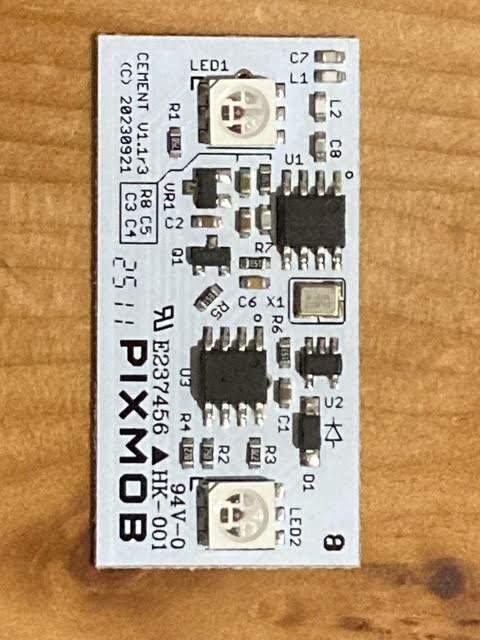
It was powered by two CR2032 coin batteries that were completely dead. When the concert ended, the organizers sent a signal to all the receivers to light up red. That actually makes a lot of sense—when everyone leaves the venue around 10 PM, keeping the bracelets lit helps make pedestrians visible while crossing streets.
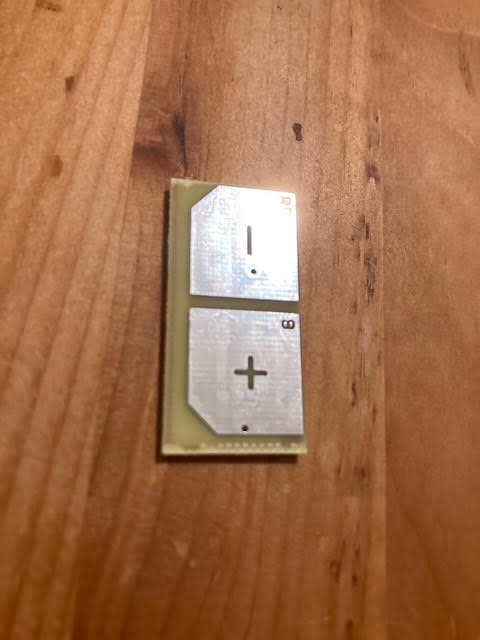
Since the original coin cells were depleted, the unit was essentially dead. I had a small battery holder with two AA batteries, so I connected them to the board to solve the power issue. But how could I actually turn the board on and control it? I found a few links where people shorted specific pins to make the board turn on with a single color, but I didn’t like that solution. After some searching, I stumbled upon a GitHub repository containing Sub-GHz capture files for the PixMob Wave 2. I started transmitting them with my Flipper Zero, and it worked! I was thrilled. But after a few minutes, I started wondering what else I could do with it.
Introducing WaveRF (PixMob Wave 2)
After brainstorming with AI, I created a small Flipper Zero app that uses the Sub-GHz signals from the repository mentioned above. The app makes the bracelet much easier to control and offers many more options.
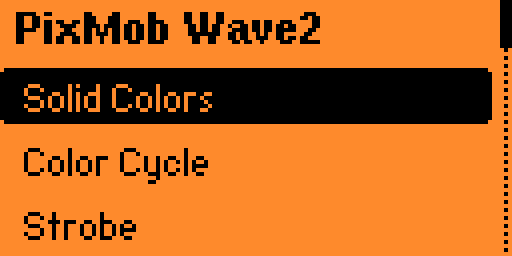
At the most basic level, you can display a solid color by selecting from 20 predefined options.
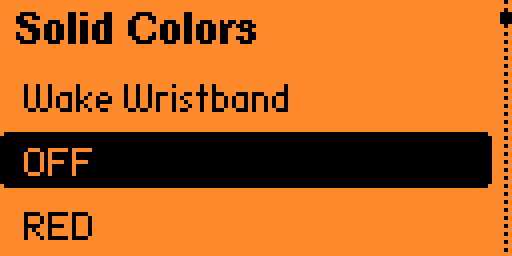
You can also repeatedly cycle through 2 to 4 colors.
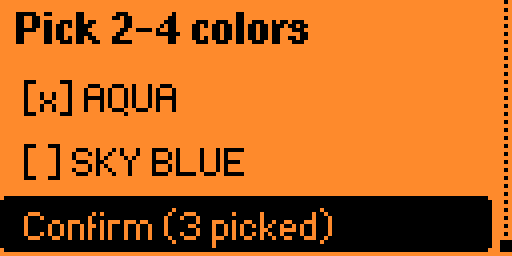
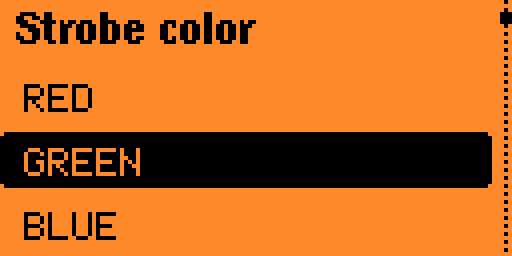
You can strobe any of the 20 colors as well.
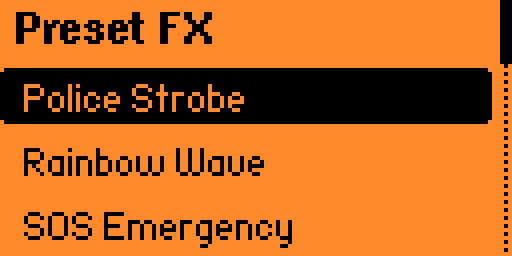
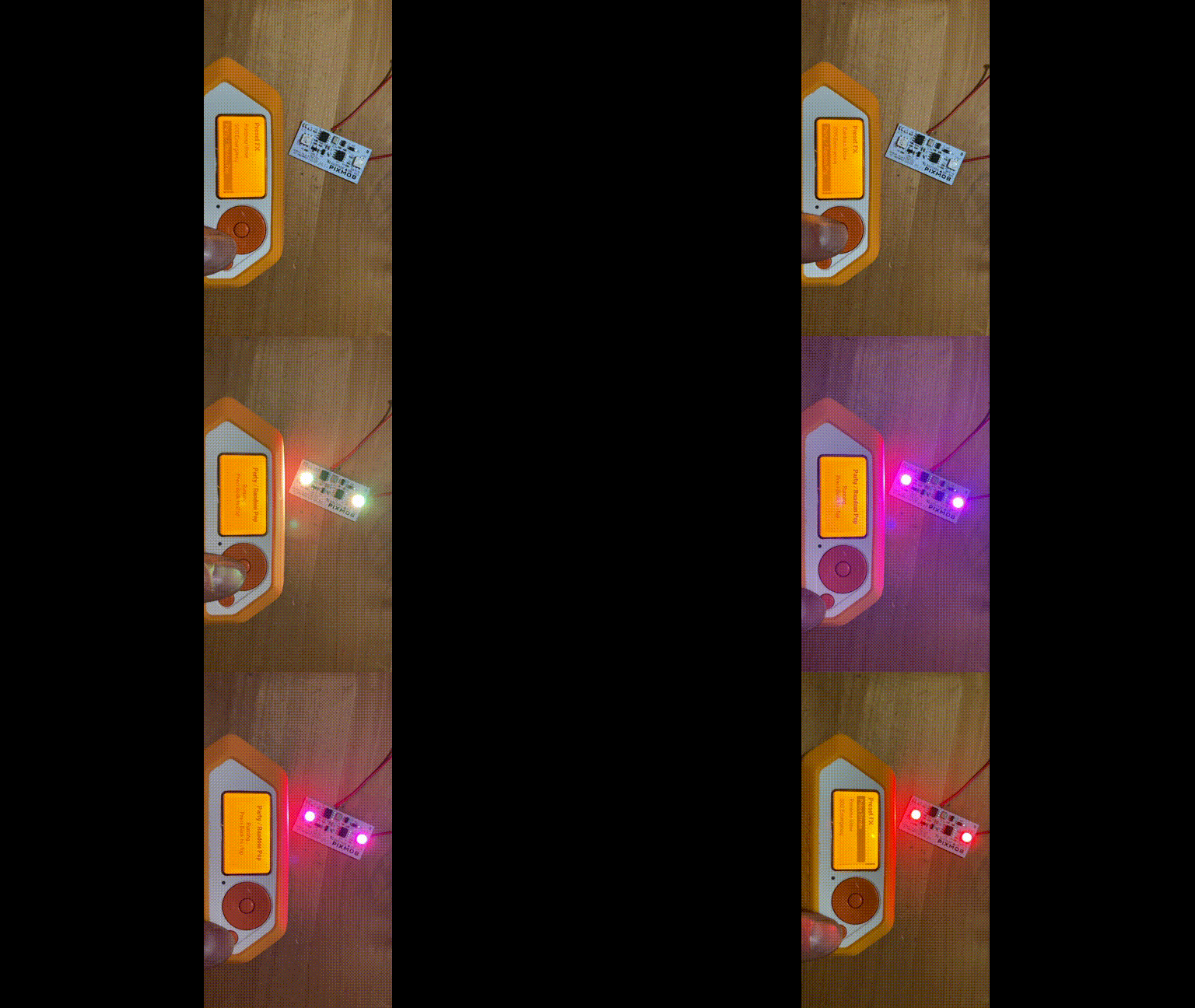
I also added several predefined effects: a police light, a rainbow effect that cycles through all 20 colors in sequence, an SOS distress signal (in red or white), and a party mode that randomly flashes colors for short intervals.
In the settings menu, you can configure the frequency (MHz), as these bracelets operate on different frequencies depending on the continent.
Example
Disclaimer
Use it only with wristbands/devices you own or have permission to control.